America’s Birthday, Then and Now
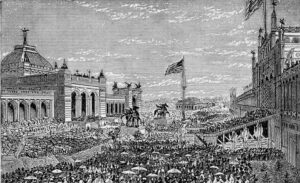
Opening day at the 1876 Centennial Exposition in Philadelphia. (Library of Congress)
Fifty years ago when America celebrated its Bicentennial, I was on the grounds of the Washington Monument for the July Fourth festivities.
I had recently moved to the area from Ohio and was living across the river in Alexandria, Va. On July 4, swept up in the excitement, my roommate and I headed into the city. As we got nearer, traffic gridlock forced us to ditch the car along the Potomac. We walked the last couple of miles, crossing Arlington Memorial Bridge into D.C.
Crowds blanketed the National Mall from one end to the other. I recall a lot of bell-bottom blue jeans, beads and big hair. Families with young children hoisted above their heads. Being there at the very heart of the Nation’s Capital on that special day felt momentous — both personally and for the country.
 In my nostalgic haze, I also recall the 1976 Bicentennial as a time of huge community engagement. People writing and enacting historical events, supported by government grants from agencies like the National Endowment for the Humanities (now mostly eviscerated under the current administration). Libraries and community centers sponsored Bicentennial activities of all kinds. Joy and a sense of patriotism was huge and largely nonpartisan.
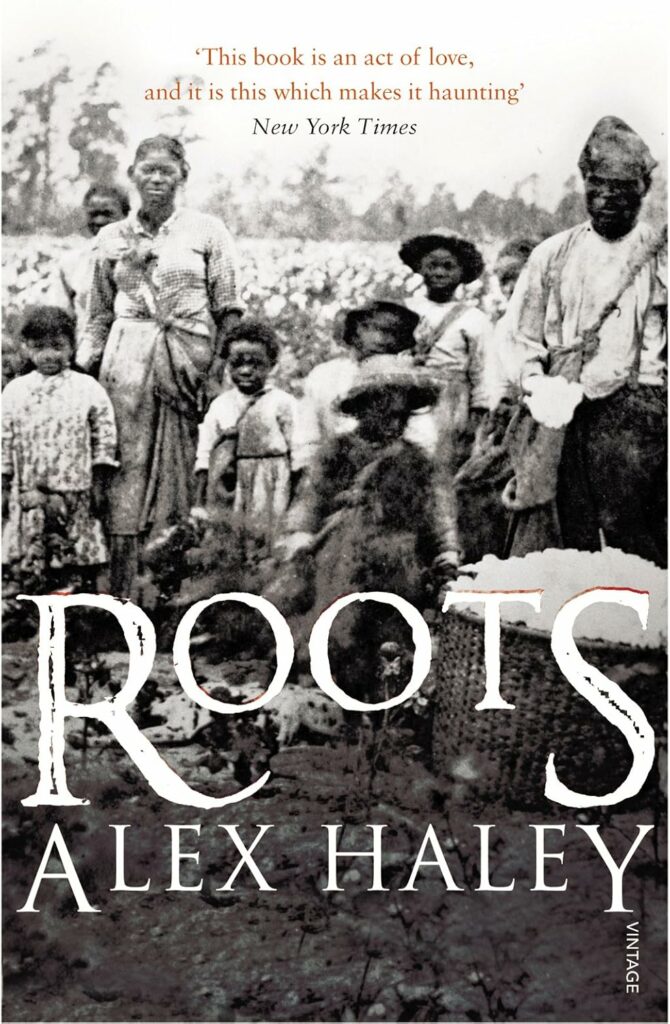
Too, I’ll always associate the period of the Bicentennial with the start of the genealogical craze that swept America, after the fall 1976 release of Alex Haley’s best-selling “Roots” and the TV series that followed.
Shabby Showing in 2026
From that eyewitness frame of reference, it made me especially sad at how pathetic many of the events in Washington were this year for the 250th anniversary.
Badly botched planning included the enormous flop of a concept billed as the Great American State Fair. The egregiously misnamed — and sparsely attended — attraction consisted of a sluggish Ferris wheel, a rodeo and parallel rows of flimsy whitewashed classical buildings that brought to mind a patched-together backdrop for a high school prom. According to numerous media reports, at any given time only a handful of people could be seen strolling the grounds. Much of the content itself was apparently pretty lame, with many of the state-focused displays consisting largely of tourism posters and food stands.
Though the scale of the fireworks was apparently impressive, it’s hard to say for sure, as no one we know in our suburban D.C. community stayed up long enough to actually watch them. President Trump’s insistence on speaking in prime time pushed the scheduled fireworks display until 11:00. Then things got delayed even further — until midnight — due to local storm conditions. The crowds of people that had parked themselves on the National Mall to hang out and enjoy the spectacle had to be evacuated temporarily to nearby government buildings.
It was encouraging to read later that D.C. had a record number of tourists in town for the milestone national birthday. Downtown hotels were reportedly at near capacity, which offers a nice boost for the local economy.
Unfortunately, at a time when the nation’s capital should be in its shining glory, much of the National Mall resembles a construction zone, with miles of metal fencing and blocked-off roads and pedestrian paths. Ongoing repairs to the Reflecting Pool have been an ongoing disaster. Nearby, the grounds of the White House are badly defaced after the South Lawn was stripped bare for an outsized wrestling cage, and the blight of the East Wing demolition continues under Trump’s plan to replace it with a gigantic ballroom.
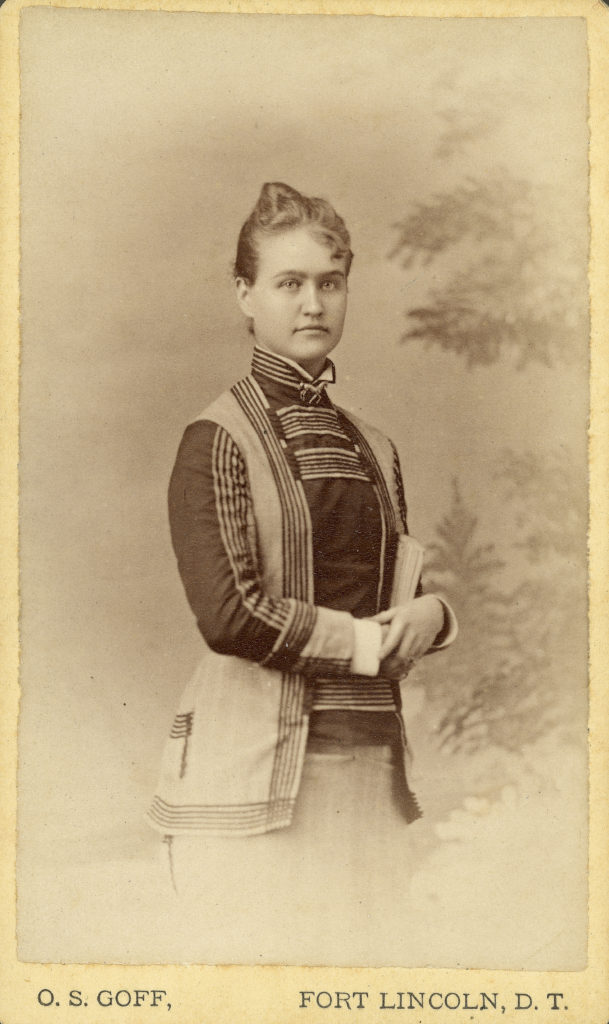
Eliza Scidmore, who made her reporting debut at the 1876 Centennial Exposition in Philadelphia, at age 19. (Wisconsin Historical Society)
Chronicle of 1876 Centennial
What a sorry contrast to America’s major birthday celebrations of the past, including the impressive 1876 Centennial Exposition in Philadelphia.
Researching that event was one of my favorite parts in writing the biography of pioneering 19th-century journalist and travel writer Eliza Scidmore. She made her reporting debut at the expo, at age 19.
In the magazine illustration above, President Ulysses S. Grant was on the speaker’s platform for the opening ceremonies on May 10, 1876. Scidmore was somewhere in the crowd, scribbling notes for an article she published in the Washington Republican.
The Centennial Exposition was essentially America’s first world’s fair, with three dozen countries participating. Determined to hold the biggest and splashiest event of its kind the world had ever seen, the planners built a mini-city at Fairmount Park that combined the air of a country fair and an English village. More than 200 buildings and pavilions spread across 285 acres held a mind-boggling array of some 40,000 displays, featuring objects from the quirky to the sublime. Some 12 million people toured the exhibits.
Eliza Scidmore spent several weeks there as a freelance correspondent for the newspaper. She described her encounters with Chinese Mandarins and South American gemstone dealers, reported on attractions such as the popular bas-relief bust of the literary heroine Iolanthe, carved from a block of butter by the wife of an Arkansas dairy farmer. Around one corner, she stumbled onto George Washington’s teeth. It gladdened her heart, she noted, to see the internationally diverse makeup of crowds that assembled for the various musical presentations.
The 1876 Centennial Exposition was a major transitional event in American history, heralding the country’s shift to an industrial and more urbanized society. Alexander Graham Bell introduced the telephone at the expo. Fair-goers got a sneak preview of the Statue of Liberty.
The expo was such a milestone in Scidmore’s journalistic career, and the historical context of her story, that I devoted an entire chapter to it in my biography of her (pp. 48-57).
Given the many innovations introduced at the expo, I think of it as the “world’s fair that made America modern.” My continuing fascination with the subject makes me keen to read a newly published book on the event by historian and author Fergus Bordewich.
Diana,
I’m so happy we met briefly before the luncheon at the DAR. Regrettably, I could not hear your speech or buy your book. I had to leave to catch a train for Richmond. Still, our brief conversation gave me insight into who you are and why I truly hope you’ll keep in touch with other books you may be writing.
All the best,
NANCYMiTCHELL
PS. I’m also a writer and why meeting you was such a grand experience!
Hi, Nancy.
Thanks for writing. Given your own background as a writer, it’s too bad we couldn’t have connected more. Best wishes in yoour own projects.
Diana